
Case Study · Mining
Contractor and engineering invoices billed off the rate card, not the agreement
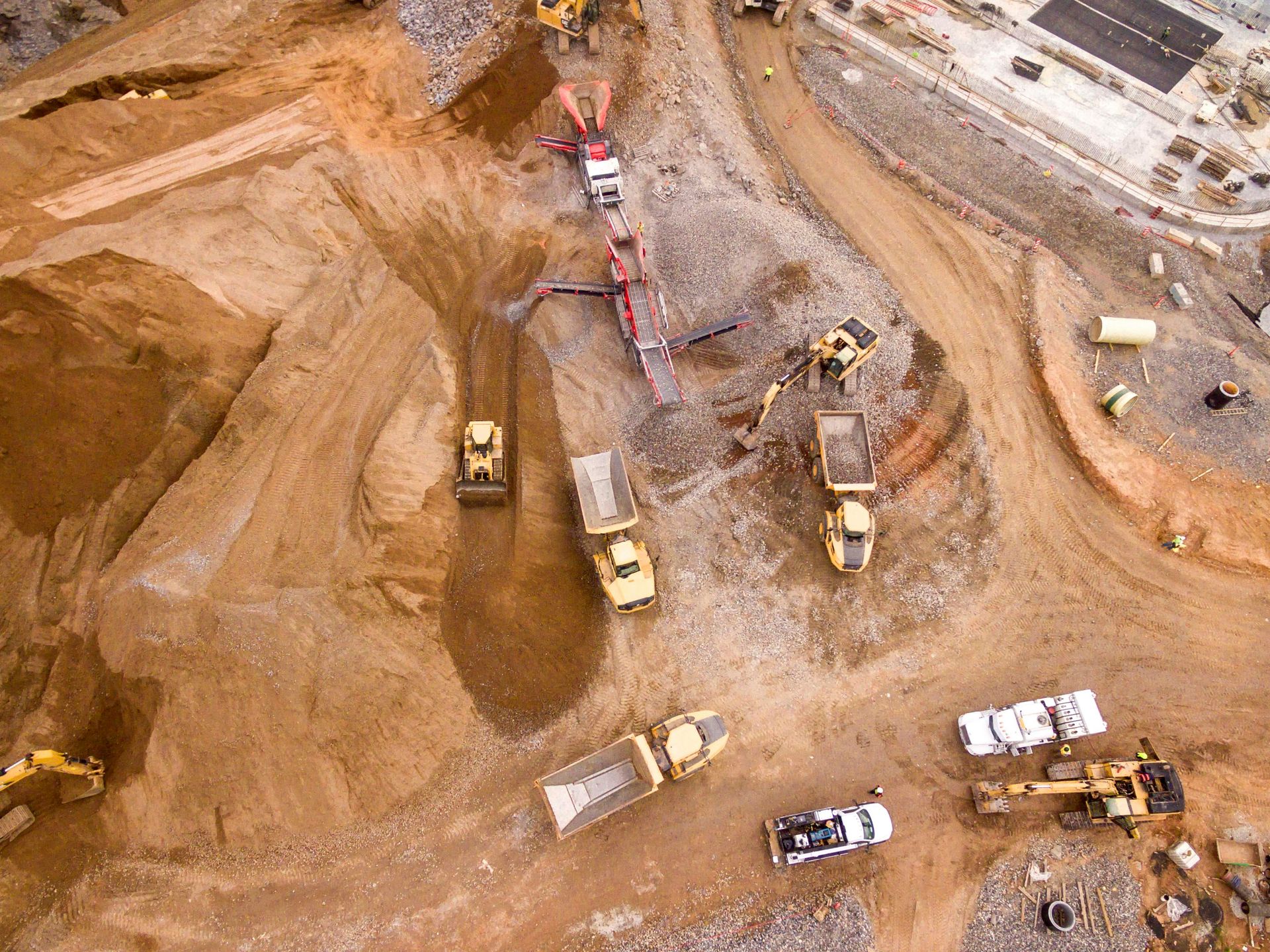
A mine's maintenance-and-repair or engineering-services contract sets specific field rates, equipment-hour allowances, and overtime rules. The invoice that follows is often billed off the vendor's standard rate card instead: overtime for a shift the roster shows as standard, equipment hours beyond what the machine logged, a rate one tier above the one the agreement actually sets. Nobody reviewing the invoice at site level has the agreement open next to it.
The problem
Engineering-services and maintenance-and-repair contracts negotiate exact numbers: a field labour rate, a minimum callout, an equipment-hour allowance, an overtime multiplier, a travel term already built into the rate. The invoice that follows often does not reflect any of it. It is billed from the contractor's own rate card, the one quoted to every customer, with the negotiated numbers nowhere on the page.
Warranty tracking gets even less scrutiny. A single haul truck can cost more than $5M, and a full fleet with fixed plant runs into nine figures, yet the obligations attached to it are typically tracked in Excel sheets, on clipboards, and in the heads of a few long-serving engineers. Each OEM sets its own service intervals and claim windows, missing one quietly voids that machine's coverage, and when something major fails, insurers and OEMs both want proof the equipment was maintained to standard, proof a clipboard rarely produces.
Getting the rate right is not the same as getting the tax right. A South African colliery fought a diesel-levy refund dispute to the country's Supreme Court of Appeal and won R83 million in April 2026, on paperwork that held up; months earlier, the same court went the other way against a separate South African mine, whose R40 million in refunds died because its diesel logs never tied fuel to a specific machine doing specific work. Same rule, same court, opposite outcomes, decided by the record, not the rate.
What Canary changes
Canary holds the maintenance-and-repair or engineering-services agreement and checks every field invoice against it directly: overtime against the shift and dispatch records, equipment hours against what the machine actually logged, every rate against the negotiated schedule rather than the vendor's standard card, and the tax line against that same agreement and the jurisdiction it was billed in. A mismatch on any of the four is flagged before the payment run, with the clause cited.
The same reading applies to every OEM warranty on the fleet: obligations and entitlements are extracted per asset and component, competing service requirements from every brand are merged into one schedule, and every service and repair is recorded against the obligation it satisfies, building the record an insurer or OEM asks for.